My Current Diet
Now that I’m done with my discussion of “fad diets”, I want to discuss my own diet.
How do I set up my diet?
I will outline how I set up my own diet based on the information from my previous post.
My body measurements are below:
· Age = 28
· Height = 172 cm
· Weight = 92.3 kg
· Gender = Male
My calories, based on the Mifflin St. Jeor equation I spoke about in my previous post is:
BMR = 9.99 x 92.3 + 6.25 x 172 – 4.92 x 28 +166 x 1 – 161
BMR = 1864 calories
Now, the following macronutrients have the following values:
· Protein = 4 Calories/gram
· Carbohydrates = 4 calories/gram
· Fats = 9 calories/gram
Because I am trying to gain muscle as well, literature states that I should eat between 1.6 grams/kg of protein by body weight and 2.2 grams/kg. I stick to the lower end.
So my protein intake in grams is:
1.6 x 92.3 = 147 grams of protein
To calculate the calories of this:
147 x 4 = 588 calories.
What this means is that 588 calories of my total daily intake should come from protein, which is approximately 32%.
For fats, I will generally go as low as 20% of my total calorie intake per day, to as high as 30%. I try and aim for 25%.
Fat calories = 1864 x 0.25 = 466 calories
Fat grams = 466/9 = 51 grams
In total, between protein and fat I eat:
588 + 466 = 1054 calories
So, the remainder will be carbohydrates
1864 – 1054 = 810 calories
810/4 = 202 grams
What this means is that carbohydrates are 43% of my total calories.
Now that we’re done with determining my macronutrient goals, I can formulate my diet.
Just a note, the macronutrient amounts are just a guideline for how I eat. Sometimes I eat less protein and more carbohydrate and fat. Other times, it reverses.
Breakfast
· 2 slices of toasted wholewheat bread
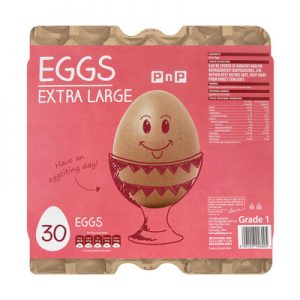
· 2 extra large eggs
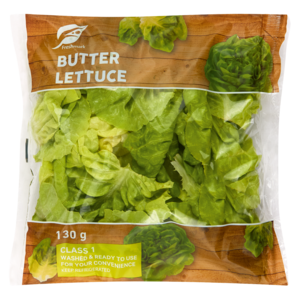
· 50 grams of Lettuce
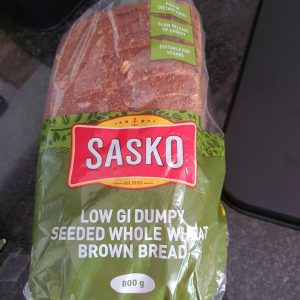
Through experimentation, I have found that this breakfast keeps me satiated for the longest period. Is being satiated for longer necessary? No, not really. But eating meals that satiate you while you’re on a calorie deficit helps you quite a bit. For the bread, I tend to buy the Sasko Low GI Wholewheat Dumpy. On special occasions, I tend to buy 100% Rye Bread. I fry my eggs with Spray and Cook, because I like the texture it gives to the eggs. I used to eat my eggs well done for most of my life, but was introduced to sunny side up eggs. This is now my default choice. On special occasions I choose to make poached eggs, which is not as difficult as you think it is to prepare.
For condiments, I add salt and pepper. I never used to really eat these two, but once I started adding them, I couldn’t stop. I don’t worry too much about salt intake, because I consume water frequently but also don’t have issues with my kidneys. You can read more about salt issues here. Just remember, anything in moderation is never a bad thing for the average person. However, you should consult with a doctor should you have any underlying conditions. I also use a bit of sauce, either Nandos or Sriracha sauce.
In terms of calories and macronutrients for this meal:
· 420 calories
· 26 grams of protein
· 16 grams of fat
· 38 grams of carbohydrates.
Eggs are a source of Vitamin A, Vitamin D, Riboflavin, Vitamin B6, Folate, Vitamin B12, Pantothenic Acid and is a source choline. Eggs are also a source of phosphorous, iron, zinc and selenium. Lettuce is a good source of Vitamin A and Vitamin K.
A concern about eggs is the cholesterol present in it. You don’t have to worry about the cholesterol in eggs, and in food in general. This is provided you eat these foods in moderation, and your diet is generally quite healthy. However, if you suffer from cardiovascular issues, suffer from diabetes or have an unhealthy diet, you should consult with your doctor or dietician about setting up a diet specific to your needs.
I generally get a tray of 30 eggs, which lasts me around 2 weeks. At the most, I pay around R60 for the tray. Lettuce can be quite cheap, around R15 for the packs that are washed, of which 1 pack lasts me around a week. The loaf of bread that I buy is generally around R18 and this lasts around a week or so.
Lunch/Supper
The only difference between what I eat for lunch and supper, is my protein source.
General Items
· 250 grams vegetables
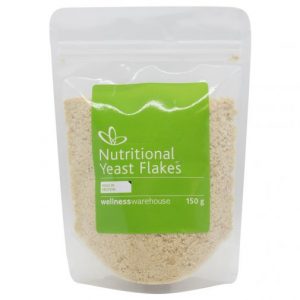
· 10 grams of nutritional yeast
The proteins that I select from:
· Beans
· Soya Sausages
If I eat beans, the calories are generally:
· 350 calories
· 20 grams of protein
· 46 grams of carbohydrates
· 2 grams of fat.
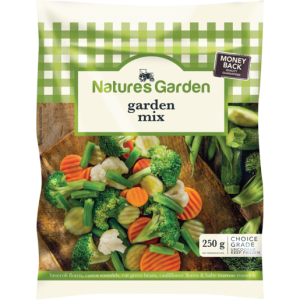
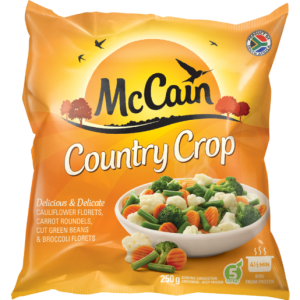
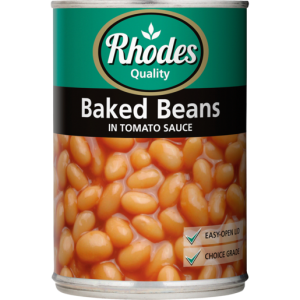
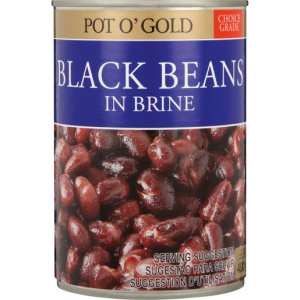
I generally rinse the beans, especially if it’s baked beans in tomato sauce. I used to like the sauce as a child but now I don’t. Also, there’s a significant number of calories in the sauce that I don’t actually need. I generally have the entire can of beans after rinsing it. A can of baked beans generally can go for R9 per can, and most other beans go for R14. I buy frozen vegetables because it’s convenient and it generally lasts longer than fresh vegetables. I normally get either the McCain or Nature’s Garden Country Crop/Garden Crop vegetables. Nutritional yeast is a new addition. It has a cheesy taste, and has a bit of protein in it.
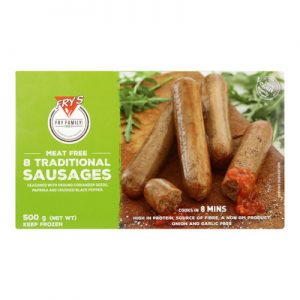
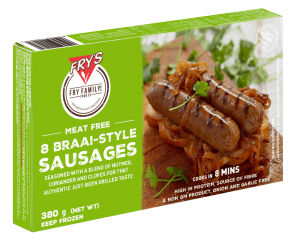
If I eat the soya sausages:
· 440 calories. The
· Protein is 38 grams
· Fat is around 13 grams
· Carbohydrates is around 26 grams.
I normally eat the Braai Sausages, as these are the cheapest at around R42 per box, and I eat a box every 2 days. For the Traditional Sausages, I generally buy when it’s on special because it is available for cheaper than the Braai Sausages. I generally buy 3 boxes, and it lasts me around 8 days.
So based on what I have so far, the 3 main meals I have in a day comes to:
· 1210 calories
· 84 grams of protein
· 31 grams of fat
· 110 grams of carbohydrates
Now, I don’t exclude meat from my diet. The above lunch/supper meals are what I eat for 5 to 6 days of the week. I am not vegetarian. If I feel like it, I eat some chicken, fish or steak instead of the beans or soya sausages. Now, I do not stop here. This is not enough calories. So I fill up calories with snacks.
Snack
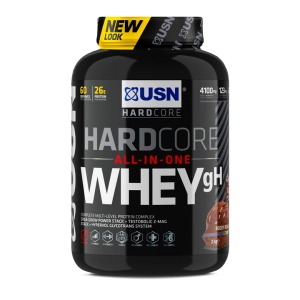
· 1 scoop USN Whey Protein in water
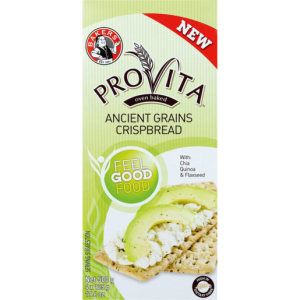
· 4 Provita Ancient Grains Biscuit
I eat the above snack twice a day, around 2.5 hours after breakfast and 2.5 hours after lunch. This is to make sure I don’t get too hungry in the day. Do I need to do it after 2.5 hours? Not really, but that’s when I generally get hungry. One of these snacks comes to around:
· 240 calories
· 29 grams of protein
· 6 grams of fat
· 17 grams of carbohydrates.
A box of 4 packs of Provita can go on special for around R35 and lasts me around 2-3 weeks. The Whey Protein can be found for around R510 per 2 kg and lasts me around a month.
· 1690 calories
· 142 grams of protein
· 37 grams of fat
· 144 grams of carbohydrates
Additional Items I consume
But wait, that’s not all!
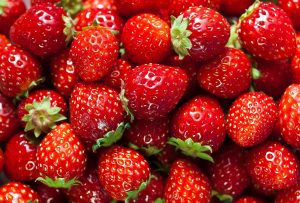
I generally aim for 1900 calories, even if I need to eat around 1864 calories. So with my 210 calories left over, I try and eat some fruit. The fruit I prefer to eat are:
· Strawberries (I sometimes add this to my protein shake)
· Blueberries
· Watermelon
· Kiwi fruit
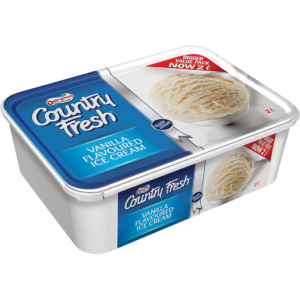
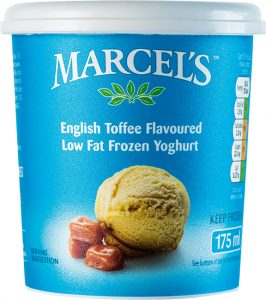
If I don’t feel like eating fruit, I tend to eat some vanilla ice cream or Marcel’s Frozen Yoghurt.

Supplements
As mentioned previously, I supplement my protein intake with Whey Protein. Do you really require Whey Protein? No, you don’t. If you are able to get your protein intake from your diet, then you don’t need it.
In terms of supplementation, I also take the following:
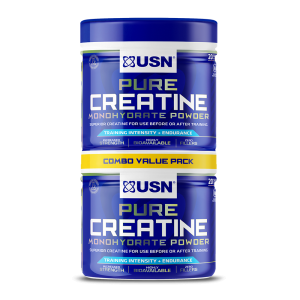
· Creatine
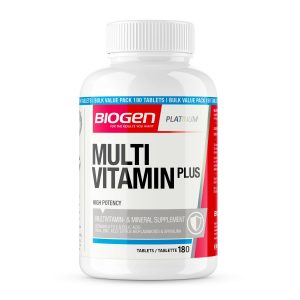
· A multivitamin
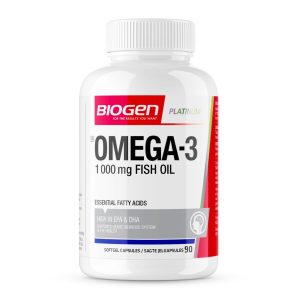
· Fish Oil
Creatine
Creatine is a supplement that increases the phosphocreatine stores of your muscles. Essentially, you body requires Adenosine Triphosphate (ATP) breakdown to generate energy. Your body then uses the products from ATP breakdown to remake ATP as part of your normal body functions. During workouts if you continuously breakdown ATP for energy, your ATP stores deplete. What creatine does is it increases your stores of phosphocreatine, allowing your body to output more energy to fuel your workouts.
Fish Oil
Fish oil is a good source of omega 3 fatty acids. Docosahexaenoic acid (DHA) and eicosapentaenoic acid (EPA) are two important omega 3 fatty acids. These help with brain functions, inflammation and normal growth and development. Why do I consume this? Diets typically contain high amounts of omega 6 fatty acids. There is a certain ratio of omega 3 and omega 6 fatty acids that is required. Generally, lower ratios of omega 6 to omega 3 fatty acids are required. Do you need to supplement with Fish Oil? If you’re consuming adequate amounts of fish, or foods containing omega 3 fatty acids, then supplementation is not necessary.
Multivitamin
I take a multivitamin just to ensure I am getting sufficient nutrients that my diet otherwise lacks. This is not necessary if you eat a wide variety of vegetables and fruits.